

I just can't anymore – and that's not a failure
Do you know that moment when you realize, “I don’t want to do this anymore”?
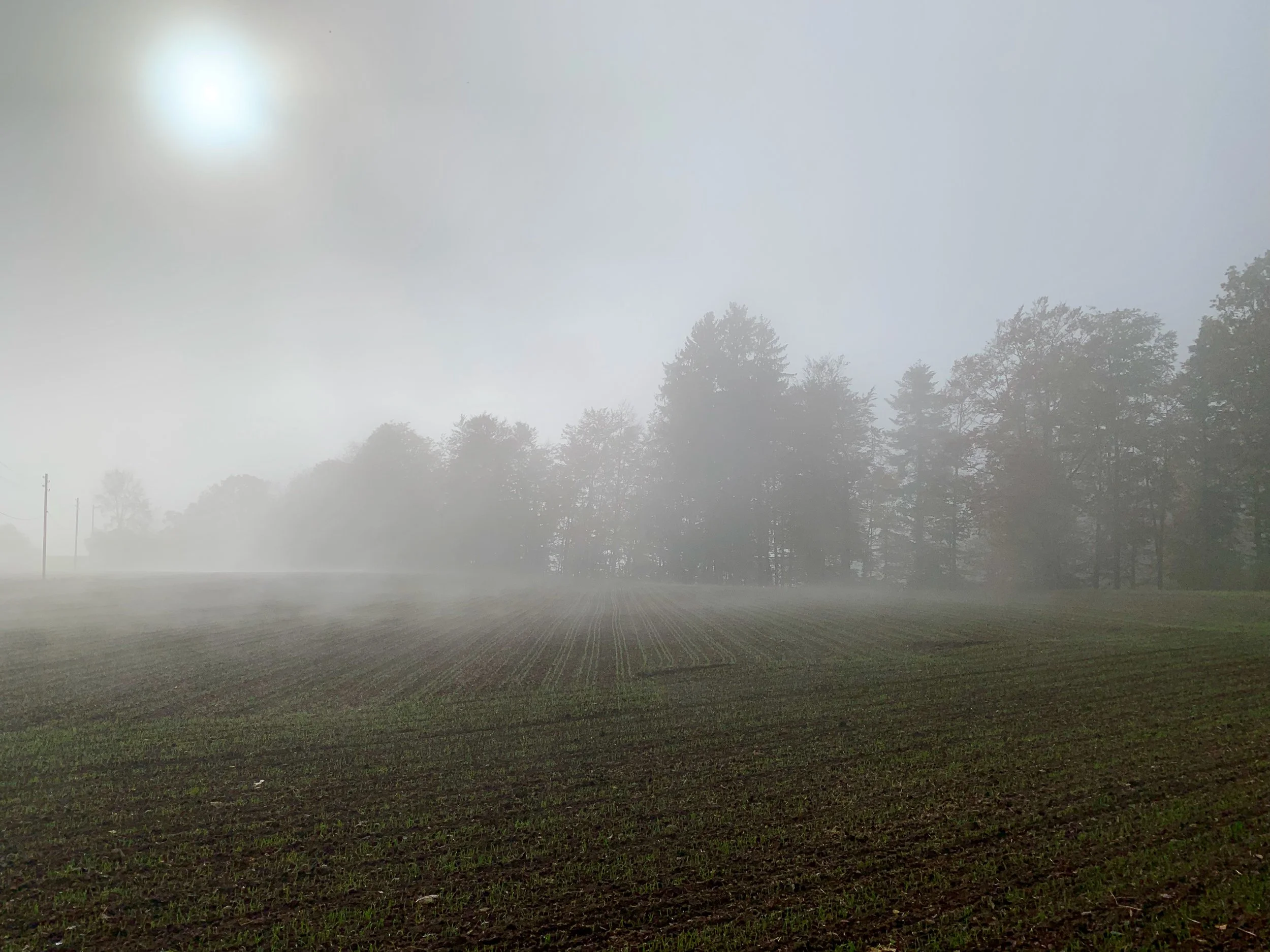
Not loud. Not dramatic. No public breakdown. More like quiet. More like something you barely notice yourself. And when you do notice it, you push it away.
Because that's just what you do.
When daily life becomes too much
It doesn't start with a big bang. It starts on Sunday evening. With that feeling in your stomach when you think of Monday. Not anticipation, not even indifference — but something that feels like dread. About an ordinary day.
It's the alarm in the morning, ringing, and you lie there wondering: what for, really?
It's the moment when, instead of going to work, you sit down on the stairs. Just like that. Because you don't know how to take the next step — and by that you don't mean your career, you mean the step in front of you.
It's the bike ride that used to be easy and now, after thirty minutes, drains everything out of you. A small climb, and your body says: I can't anymore. But you don't tell anyone, because — it's just a climb.
It's the evening with friends that you should be looking forward to. But even the thought of it costs energy you don't have. So you cancel. Or you go and count the minutes until you can leave again.
It's the walk around the block, after which you need two hours of rest. Not because you're sick. But because everything — really everything — costs you more than it should.
How it creeps in
The problem is: it doesn't happen overnight. It creeps. Week by week, you accept a little more. You get used to being tired. You get used to nothing bringing you joy anymore. You get used to just functioning.
At some point, you don't even notice anymore that you've gotten used to it.
And when someone asks "How are you?", you say "Fine, thanks" — and by that you mean: I'm still standing. As if that were enough.
And then there's the loneliness. Not because no one is there — but because you feel you can't explain it to anyone. Because you think they wouldn't understand. Or wouldn't take it seriously.
What you tell yourself
The tricky thing about exhaustion isn't the exhaustion itself. It's what you tell yourself about it.
Everyone else manages to do it, after all. I just need to pull myself together. It's not really that bad. I'm just not resilient enough.
You compare yourself. To colleagues who seem to handle everything with ease. To friends who go for a run after work. To people on social media who somehow always seem to function.
And you? You're sitting in your car outside the office and don't dare go inside. And you're wondering what's wrong with you.
I know what that feels like. Not from a textbook, but from my own life. There was a time when even the smallest things overwhelmed me. When I wondered if I'd ever be the person I once was again.
Today I know: It was never about going back to the way I was. It was about finally listening.
What this sentence really means
"I can't do this anymore" isn't a failure. It's the most honest thing you can say.
This sentence doesn't mean you're weak. It means you've been strong for a long time. Too long, perhaps. That you functioned even though it hurt. That you kept going, even though your body and your mind had been saying for a long time: enough.
Exhaustion isn't a character flaw. It's your body's response to a situation that's no longer bearable. It doesn't strike the weak — it strikes the teacher who has given everything for years. The project manager who's always available. The single mother who holds everything together alongside her job. People who don't want to give up — until their body does it for them.
What the first step is
The first step isn't to fix yourself. The first step is to admit to yourself that things can't go on like this. That sounds simple. But when you're right in the middle of it, it's the hardest thing of all.
It doesn't mean you have to change everything. Not today, not tomorrow. But that you stop telling yourself it's not that bad. And start listening to yourself — the way you already do for everyone else.
You don't have to deal with this alone
Maybe you're reading this and recognize yourself in one of these images. Maybe in several. Maybe you're thinking: yes, this is exactly what it feels like.
Then I want to tell you: you don't have to figure this out alone. There are people who listen. There are paths you can't see yet — but they're there.
Sometimes something starts when you say to another person what you've been saying to yourself for a long time. Maybe in a room that's still enough. Maybe outside, in nature, where the mind grows quieter. Nothing more and nothing less.
When you're ready, I'll be there.
This post is not a substitute for psychological or medical professional advice. If you feel you need professional support, don't hesitate to reach out for help. It's not a sign of weakness — it's the most courageous step you can take.